
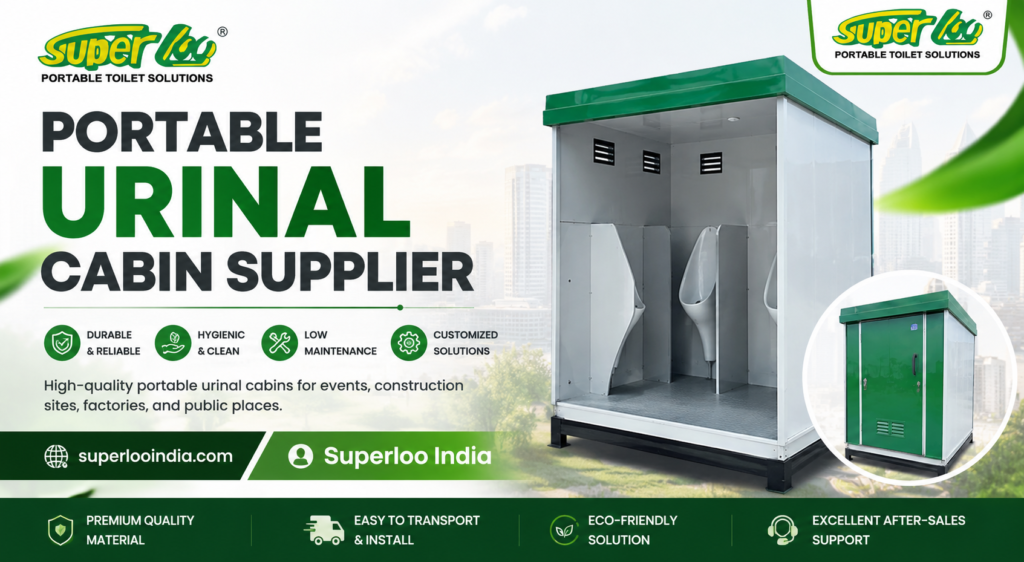
Portable Urinal Cabin Supplier: Complete Buying Guide 2026
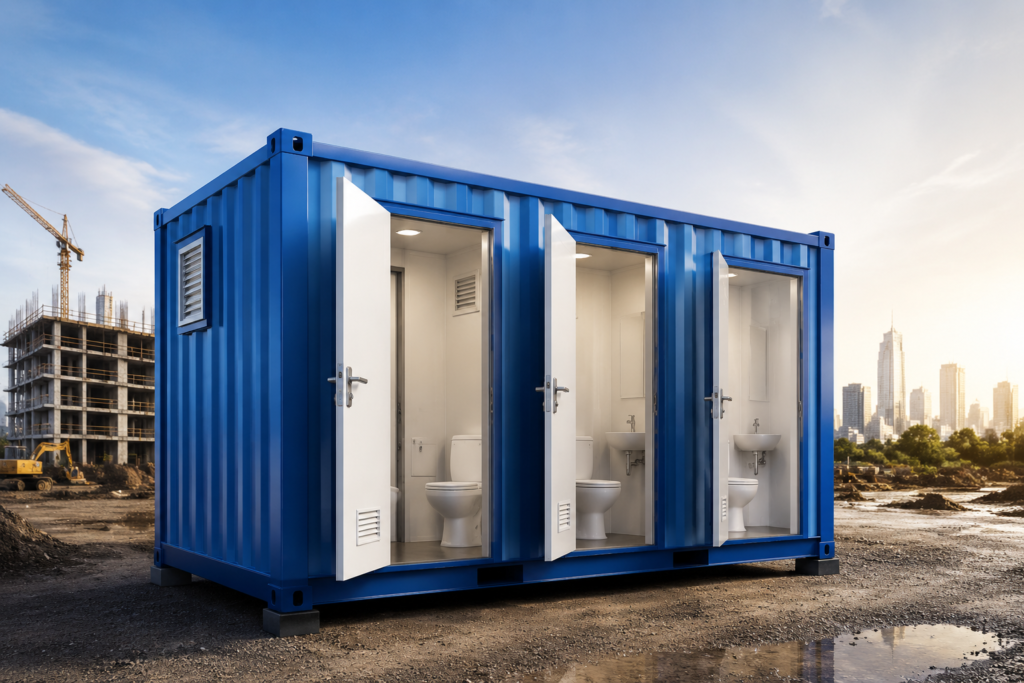
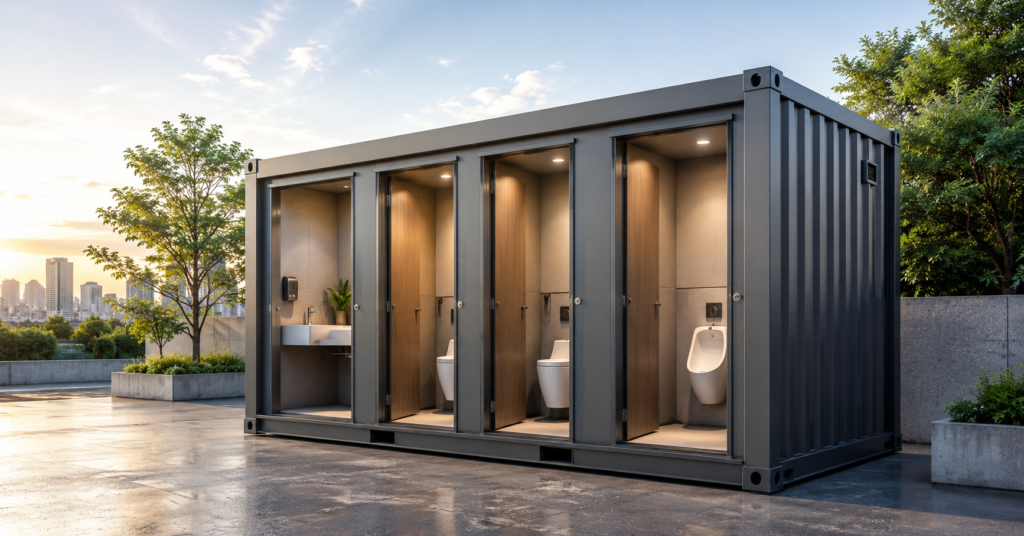
Think about the last time you were at a crowded market, a highway dhaba, a construction site, or a local fair, and needed a urinal — only to find one overflowing unit tucked behind a wall, if you were lucky at all. It’s a frustrating, all-too-common scene across Indian towns and cities, and it’s exactly the gap that portable urinal cabins are designed to fill. Unlike a full toilet block, a urinal cabin is quicker to install, needs less space, and can handle high footfall in public areas without the cost and time of permanent construction. But choosing the right Portable Urinal Cabin Supplier isn’t as simple as picking whichever one shows up first on Google. Material quality, drainage design, and odor control vary a lot between manufacturers, and a poor choice usually shows up within weeks — literally. This guide breaks down what to look for so you can make a confident, well-informed decision, whether you’re a municipal officer, a contractor, or a business owner managing a public space. What Is a Portable Urinal Cabin (And Why It’s Different from a Toilet Unit) A portable urinal cabin is a compact, prefabricated sanitation unit built specifically for urinal use — not for full toilet functions. It’s typically smaller, faster to install, and designed to serve a higher number of users per hour compared to a standard portable toilet. You’ll usually see them installed at railway stations, bus stands, markets, religious gatherings, highways, and construction sites where quick, high-volume usage matters more than privacy for longer visits. The other big difference is water usage. A growing number of manufacturers now offer waterless urinal systems, which use special trap technology instead of a constant water flush. This isn’t just an eco-friendly detail — for large public installations, it drastically cuts water bills and plumbing complexity, especially in areas where water supply itself is inconsistent. Where Public Urinal Systems Are Commonly Installed Single vs. Multi-Seater Urinal Cabins: Which One Do You Need? One of the first decisions a buyer has to make is unit size — a single-cabin urinal or a multi-seater block. This depends almost entirely on expected footfall and available space, and getting it wrong in either direction causes real problems: too few seats means long queues, too many means wasted budget and unused space. Single vs. Multi-Seater Comparison Factor Single Urinal Cabin Multi-Seater Urinal Block Best for Small sites, low footfall areas Markets, stations, large public events Space required Minimal — fits tight spots Larger footprint needed Installation time Very quick, often under an hour Slightly longer, may need a base platform Cost Lower Higher, but lower cost per user at scale Maintenance frequency Lower, due to limited use Higher, given continuous high traffic As a rough guide, one urinal seat can comfortably serve around 150–200 users a day before maintenance frequency needs to go up. Key Features and Benefits to Look For Not every urinal cabin on the market is built to the same standard. Here’s what tends to make the biggest difference in real-world use. Feature-Benefit Snapshot Feature Why It Matters Stainless steel fittings Resists rusting even under constant moisture exposure Waterless trap system Cuts water usage significantly at high-footfall sites Sloped, non-slip flooring Improves drainage and reduces slip risk Modular panel design Makes repairs and part replacement faster and cheaper UV-stabilized outer coating Prevents fading and material degradation from sun exposure A unit with most of these features will typically need far less repair work over its operational life. Step-by-Step: How to Choose the Right Supplier Buying Guide Checklist Checklist Item Confirmed? (Yes/No) Footfall estimate matches unit capacity — Material suits site conditions (moisture, sun exposure) — Water availability checked against flush requirements — Odor control mechanism confirmed — Installation and maintenance support included — Full pricing (transport + installation) confirmed — Run through this list with your shortlisted supplier before signing off — it’s a quick way to avoid surprises after installation. Tips and Best Practices Common Mistakes to Avoid Do’s and Don’ts Do Don’t Match unit count to realistic footfall estimates Underestimate usage to save on upfront cost Choose corrosion-resistant materials for outdoor sites Go with painted mild steel in high-moisture locations Confirm a maintenance plan before installation Wait for complaints before arranging cleaning schedules Check water availability before choosing a flush system Install flush-based units in low water-access areas Verify supplier experience with similar public projects Choose a supplier based purely on the lowest quote Most complaints about public urinal cabins — bad odor, overflow, rust — trace back directly to one of these avoidable choices. Frequently Asked Questions 1. What is a portable urinal cabin used for? It’s a compact, prefabricated sanitation unit designed for quick, high-volume urinal use in public spaces like markets, stations, highways, and construction sites, without needing permanent civil construction. 2. How is a public urinal system manufacturer different from a regular toilet supplier? While some companies offer both, a urinal-focused manufacturer typically specializes in higher-footfall designs, waterless trap systems, and layouts built for faster, high-turnover use rather than full toilet functions. 3. Are waterless urinal systems reliable for long-term use? Yes, when properly maintained. Waterless systems use trap seals or cartridges that need periodic replacement, but they significantly cut water usage and plumbing needs, especially at sites with limited water access. 4. How many urinal seats do I need for a public location? A general estimate is one seat per 150–200 users a day, though this should be adjusted based on peak-hour traffic and how concentrated the footfall is during specific times. 5. What material is best for outdoor urinal cabins? Stainless steel and FRP are generally preferred for outdoor installations due to their resistance to rust, weather damage, and frequent cleaning. 6. Can portable urinal cabins be relocated easily? Most units are designed for foundation-free installation, which means they can be lifted and relocated without major civil work, making them ideal for temporary events or changing site requirements. Conclusion A well-chosen portable urinal cabin supplier can
Portable Urinal Cabin Supplier: Complete Buying Guide 2026 Read More »